Listen, watch, or subscribe
Key takeaways
• Genius isn't required — consistency, exploration, and finding your own method matter more than raw talent.
• Traditional music lessons teach discipline, but rote repetition can kill creativity and stall real skill development like sight-reading.
• Learning small musical "building blocks" in many contexts (instead of memorizing whole songs) is what makes sight-reading possible.
• It's never too late to learn an instrument — younger brains are more malleable, but the ceiling never closes.
• "Flow state" — where challenge matches skill — is what makes learning (and work) enjoyable and sustainable.
• Building a startup pre-revenue often means finding co-founders willing to work for equity, not cash.
• Know your funnel: MuseFlow's biggest lesson was learning where users dropped off (a hardware requirement), not just that they dropped off.
Special Offer
About the guest

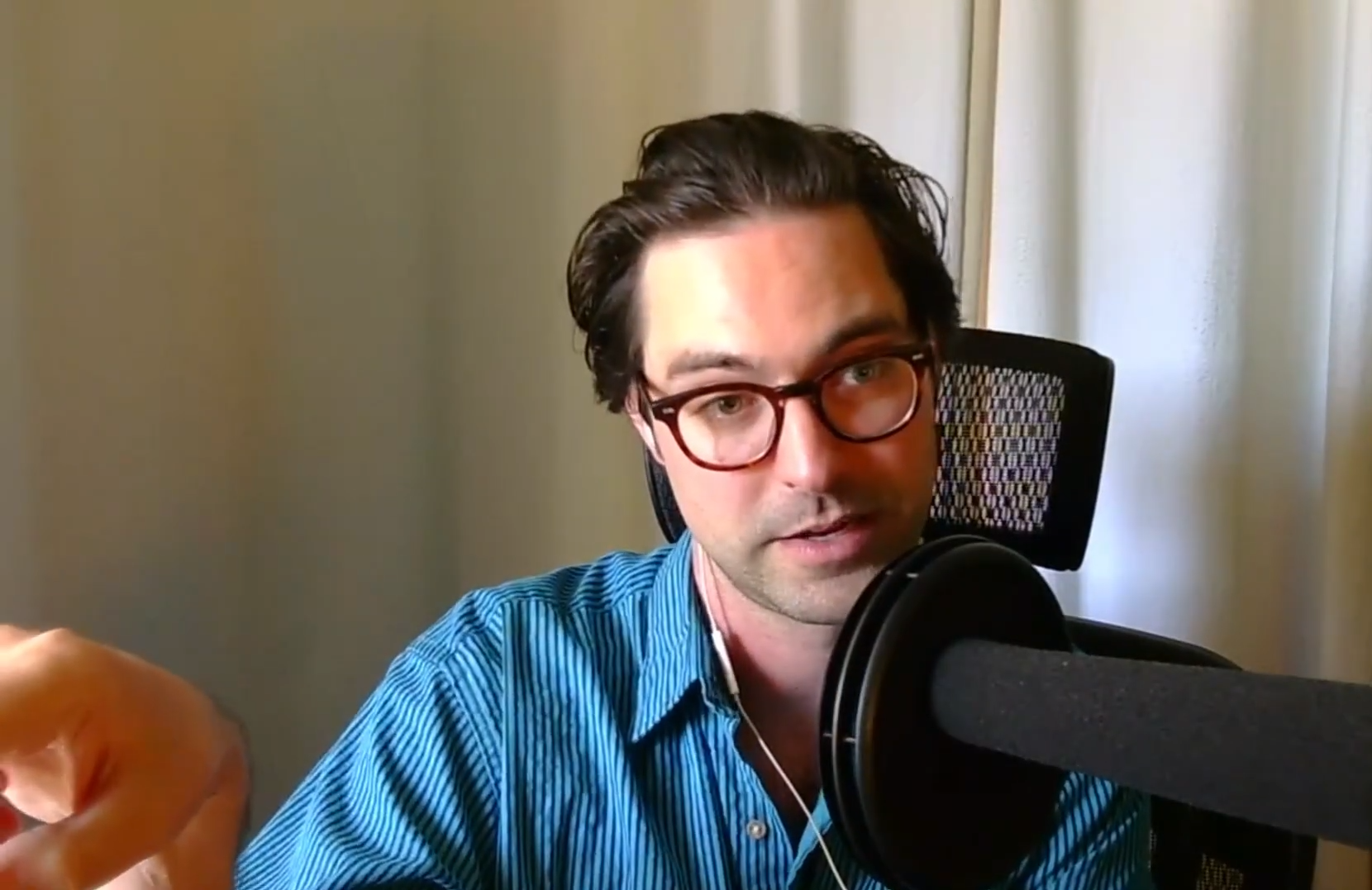
Patrick Boylan
Patrick Boylan is the co-founder of MuseFlow, an app that combines music, neuroscience, and AI to teach people how to play piano through sight-reading and pattern recognition rather than rote repetition. Before co-founding MuseFlow, Patrick spent years pursuing acting in Los Angeles before building a career as a professional pianist, playing jazz gigs and piano bars around LA. MuseFlow is currently raising a funding round to expand access beyond its MIDI-keyboard requirement.